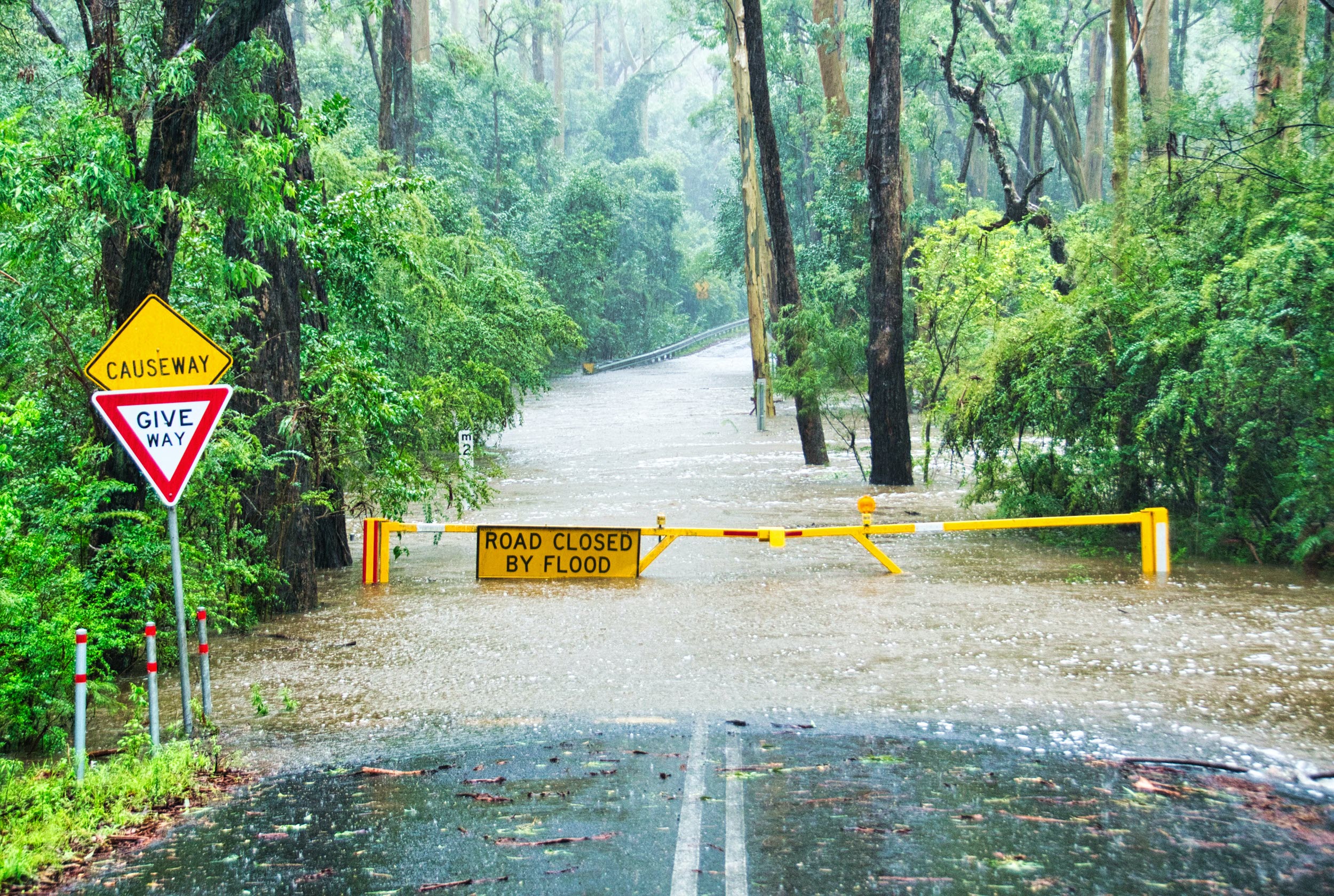
Flooding Measures Simplified
- Coordinate with Federal, State, and Local Agencies to Improve Emergency Evacuation and Supply Transportation Routes
- Establish an Underground Utilities Program Resistant to Flooding
- Evaluate and Improve Capacity of Stormwater Infrastructure for High-Intensity Rainfall Events
- Expand Educational Programs to Address Vector and Waterborne Diseases
- Identify Concrete Channel Restoration Areas
- Identify New Locations for Flood Control, Prioritizing Green Infrastructure Solutions
- Improve Flood Warning and Information Dissemination
- Improve Sewage and Solid-Waste Management Infrastructure
- Invest in Use of Pervious Pavements and Landscaping in Developed Areas and Restrict the Use of Paved Surfaces
- Map Critical Facilities and Infrastructure Locations Vulnerable to Flooding and Upgrade and/or Relocate Infrastructure Where Applicable
- Partner with SAFCA and Local Agencies, Utilities, and Other Organizations to Support Future and Ongoing Flood-Related Climate Change Initiatives
- Replant Bare or Disturbed Areas
- Research the Tolerance of Current Crop Mixes to Withstand Flooding and Support Aquaculture and Fish Habitat
- Safeguard Freshwater Supply Against Contamination, Degradation, or Loss
- Update and Implement the County’s Local Hazard Mitigation Plan to Address Climate Change-Related Flooding Impacts